
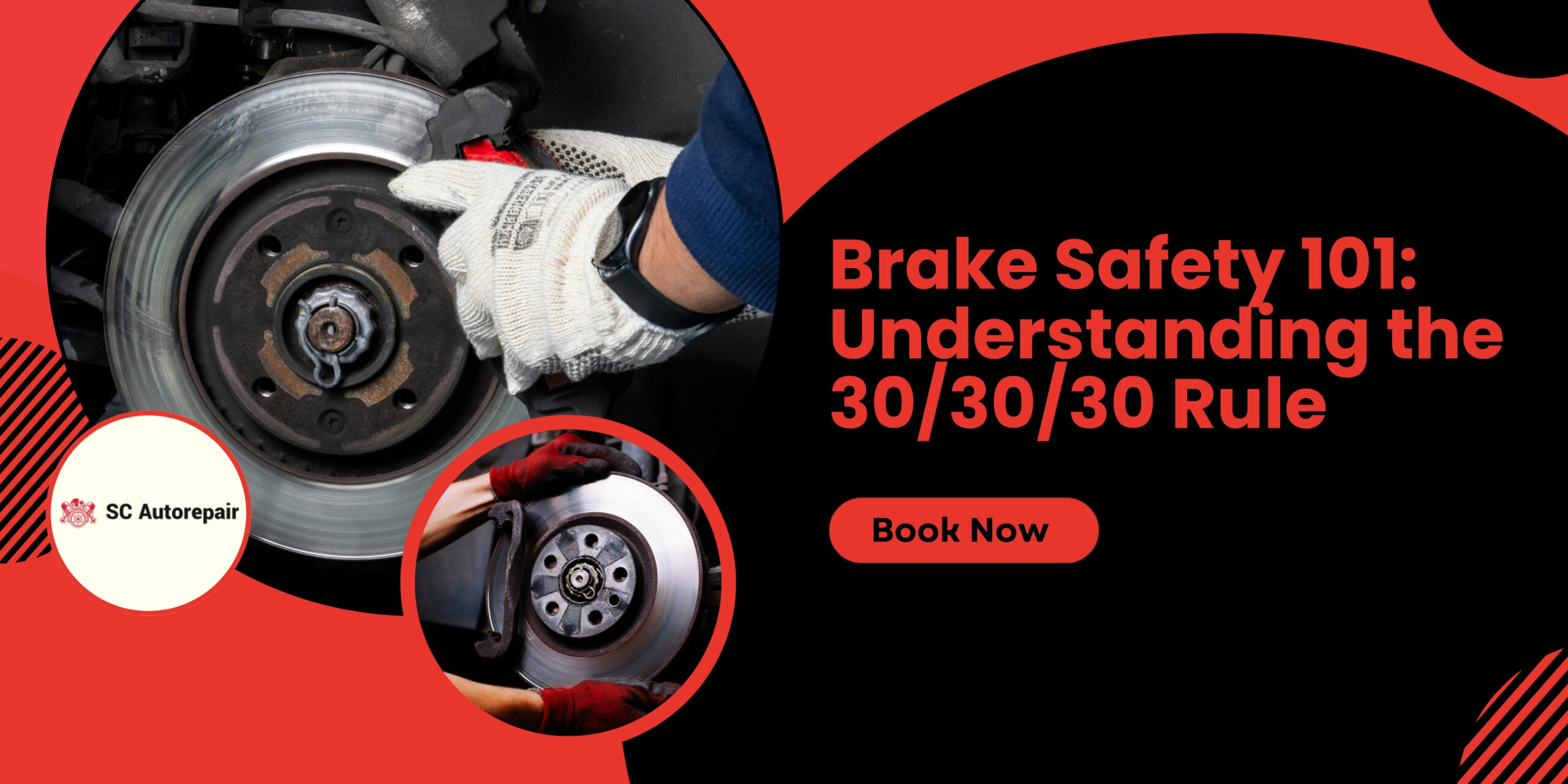
Brakes are one of the most critical safety systems in any vehicle. Every time a driver slows down or comes to a stop, the braking system must perform reliably and consistently. Because brakes are used constantly, they experience significant wear over time. Proper maintenance and correct installation procedures help ensure that they continue working effectively.
One concept often mentioned by mechanics and automotive professionals is the “30/30/30 rule for brakes.” While not every driver is familiar with this guideline, it plays an important role in helping new brake components perform properly after installation. The rule is commonly associated with the process of bedding in brake pads and rotors so that they operate smoothly and deliver consistent stopping power.
Understanding how this rule works can help drivers maintain better braking performance and avoid common issues such as brake noise, uneven wear, or reduced stopping efficiency.
Why Brake Break-In Is Important
When new brake pads or rotors are installed, they do not immediately reach their full performance potential. Both components require a short break-in period that allows them to adjust to each other and develop a proper contact surface.
During this process, the brake pads transfer a thin layer of friction material onto the surface of the rotors. This layer helps create smoother braking and improves the overall effectiveness of the braking system.Without proper break-in procedures, drivers may experience problems such as vibrations, squeaking noises, or uneven braking performance. This is why many professional technicians recommend following structured procedures like the 30/30/30 rule after a brake repair in Las Vegas service.
These laws help ensure that customers receive clear information about repairs before any work begins.
Understanding the 30/30/30 Rule
The 30/30/30 rule is a guideline used to help bed properly in new brake pads and rotors. Although variations exist, the general idea involves performing a series of controlled braking actions that gradually condition the new components.
The rule typically involves three steps:
- Perform approximately 30 moderate stops
- From about 30 miles per hour
- With 30 seconds between each stop
This method allows the brakes to gradually heat up and cool down between applications. The process helps distribute the brake pad material evenly across the rotor surface, which improves braking performance.
The goal is not to perform aggressive or sudden stops but rather to apply steady pressure to the brake pedal in a controlled and consistent manner.
How the Rule Improves Brake Performance
Following the 30/30/30 rule helps ensure that brake pads and rotors work together effectively. The gradual heating and cooling process allows the friction materials to settle properly.
When the brake pads contact the rotors repeatedly under controlled conditions, a uniform layer of friction material develops. This improves braking smoothness and reduces the risk of brake noise.
Drivers who have recently completed auto repair Las Vegas services involving brake replacements often notice that braking performance improves after this break-in process is completed.
The procedure also helps extend the lifespan of brake components by preventing uneven wear patterns.
Problems That Can Occur Without Proper Break-In
Skipping the bedding process can lead to several common brake issues. When brake pads are installed but not properly conditioned, the friction materials may not distribute evenly across the rotor surface.
This can lead to problems such as:
- Brake squealing or squeaking
- Vibrations when braking
- Uneven rotor surfaces
- Reduced braking performance
In some cases, drivers may believe something is wrong with their brakes when the issue is simply improper bedding.
Professional car repair services in Las Vegas often include recommendations for proper break-in procedures after installing new brake components.
How Driving Habits Affect Brake Performance
Driving habits play a significant role in brake wear and performance. Frequent hard braking, aggressive driving, and heavy traffic conditions can all accelerate brake wear.
Drivers who follow smoother driving habits often experience longer brake component lifespans. Gradual braking, maintaining safe following distances, and avoiding sudden stops can significantly reduce stress on the braking system.
Regular inspections performed during auto maintenance Las Vegas services can also help identify worn brake pads or rotors before they cause larger issues.
Signs Your Brakes May Need Attention
Even with proper break-in procedures, brake components will eventually wear out and require replacement. Recognising early warning signs can help prevent more serious mechanical problems.
Common indicators of brake issues include:
- Squealing or grinding noises
- Vibrations while braking
- Increased stopping distance
- Brake warning lights on the dashboard.
- Soft or spongy brake pedal feel.
If any of these symptoms occur, it is important to have the vehicle inspected by a qualified mechanic in Las Vegas who can determine whether brake service is required.
Prompt attention to brake issues helps maintain safe driving conditions.
The Role of Brake Maintenance in Vehicle Safety
Brakes are essential for controlling a vehicle’s speed and ensuring safe stopping in emergencies. Because of this, routine brake inspections should be part of every vehicle’s regular maintenance schedule.
Professional technicians evaluate several components when inspecting brakes, including brake pads, rotors, callipers, brake fluid levels, and hydraulic lines. Each of these components must function correctly for the braking system to operate effectively.
Drivers who schedule regular inspections can often catch minor issues before they develop into expensive repairs.
Brake Care for Las Vegas Drivers
Driving conditions in Las Vegas, including heavy traffic and high temperatures, can increase brake wear over time. Regular brake inspections help ensure components such as pads and rotors remain in good condition.
Checking the braking system periodically allows worn parts to be identified early and helps maintain consistent stopping performance. Following proper installation and break-in procedures, such as the 30/30/30 rule, can also improve brake reliability and extend the lifespan of brake components.

 ICONIER Digital Agency